Embroidery Patterns for Beginners: 25 Easy Designs to Trace & Stitch
Hand embroidery is one of the calmest, lowest-cost hobbies to do at home — a hoop, some thread and a spare hour is really all it takes. The hard part for most beginners isn’t the stitching; it’s finding embroidery patterns for beginners that are genuinely easy to finish and pretty enough to want on a wall. This collection solves both.
Below are 25 easy embroidery patterns, and here’s what makes them different from a random Pinterest board: every design is shown as a finished hoop and as a clean, traceable outline you can print from the free Beginner Embroidery Starter Pack present at the bottom in pdf form. You see exactly what you’re aiming for, then trace the pattern and stitch it. Every design uses the same four simple stitches, so once you’ve learned them you can work through the whole set. Embroidery is also one of the oldest textile crafts in the world — and one of the friendliest to start.
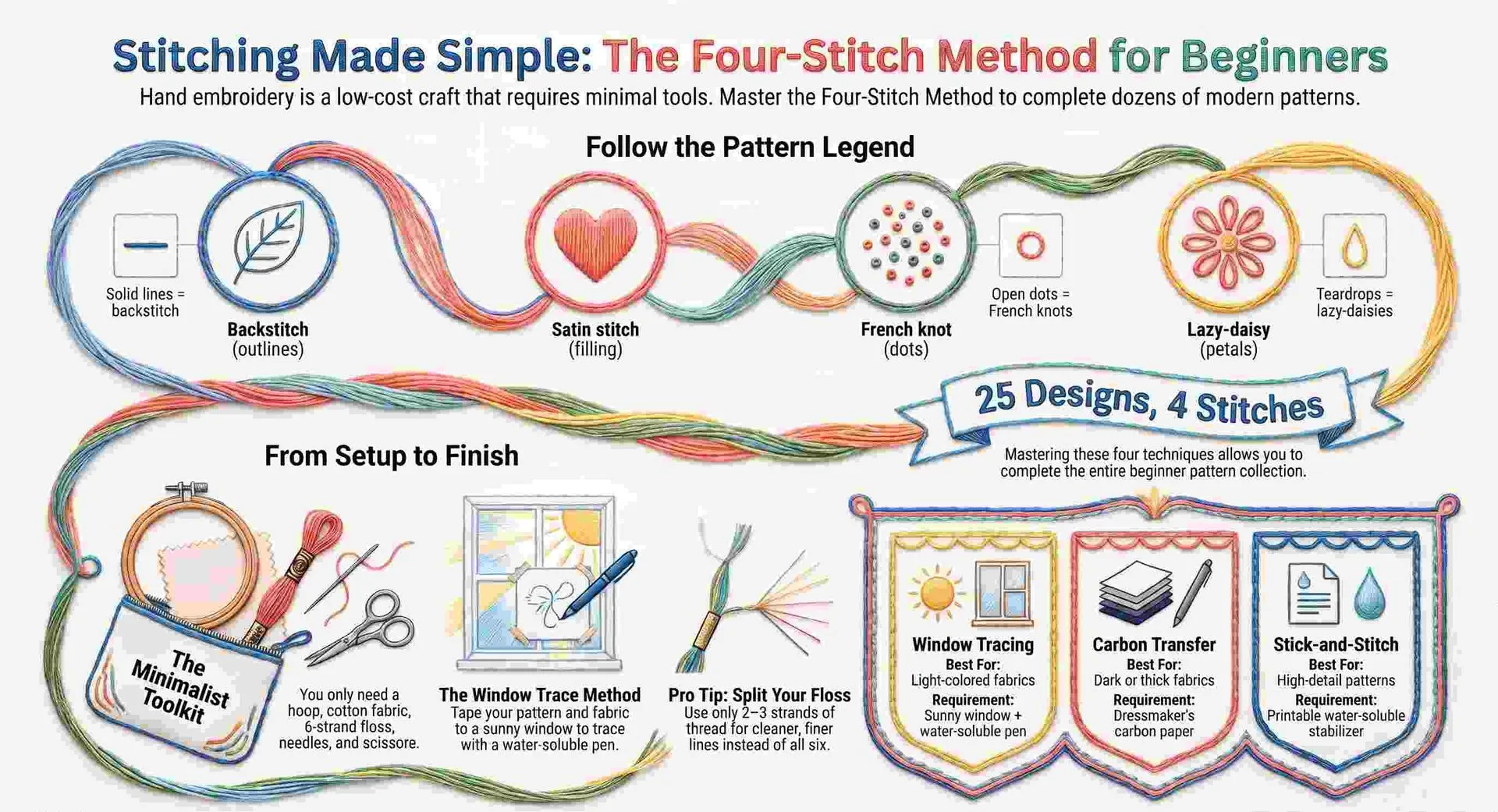
The best embroidery patterns for beginners use simple shapes and just four basic stitches: backstitch for outlines, satin stitch for filling, the French knot for dots, and the lazy-daisy for petals. Start with a small design — a single flower, a word, or a simple animal — trace it onto fabric, hoop it up, and stitch the outlines first, then fill.
The Four-Stitch Method: the only 4 stitches you need
Every one of the 25 patterns below is built from the same four beginner stitches. Learn these once and you can stitch the entire collection — that’s the whole idea behind the Four-Stitch Method. Master the four, and “how to embroider” stops being a mystery.
- Backstitch — the workhorse outline stitch. Every solid line in these patterns — stems, hands, lettering, moons — is backstitch. If you learn only one stitch first, learn this.
- Satin stitch — smooth stitches laid side by side to fill a shape solid: a moon, a petal, the whale’s body. Keep your shapes small at first and satin stitch stays easy.
- French knot — a small raised dot. Every open dot in the outline patterns is a French knot — perfect for flower centres, stars, rainbows and texture.
- Lazy-daisy (detached chain) — a single looped stitch shaped like a teardrop; each one is an instant petal or leaf. Whole flowers appear in seconds.
The outline patterns in the free pack use a built-in legend so you never have to guess: a solid line means backstitch, an open dot means a French knot, and a small teardrop means a lazy-daisy or satin petal. Trace the design, follow the legend, and the pattern teaches itself — the simplest set of embroidery stitches for beginners you’ll find.
What you need to start ( embroidery patterns for beginners supplies)
You can gather everything for the price of a couple of coffees. A beginner embroidery kit bundles these into one box, but they’re just as easy to buy separately:
- An embroidery hoop, 15–20 cm (6–8 in) — wooden or plastic.
- Plain, tightly woven fabric — cotton or linen in a light colour is easiest.
- A pack of 6-strand embroidery floss in a few colours.
- Embroidery needles (a size 5–9 crewel needle set).
- Small sharp scissors.
- A water-soluble fabric pen or a printer, for transferring the pattern.
Easy & minimalist embroidery patterns (start here)
If you have never held a hoop before, begin here. These simple embroidery patterns use the fewest stitches and the most forgiving shapes, so you can build confidence fast and finish something you’re proud of on day one.
1. Flower Growth Stages
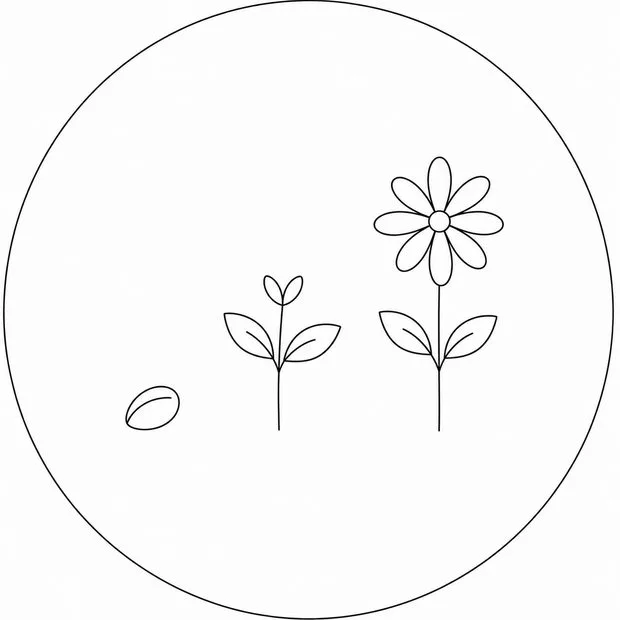
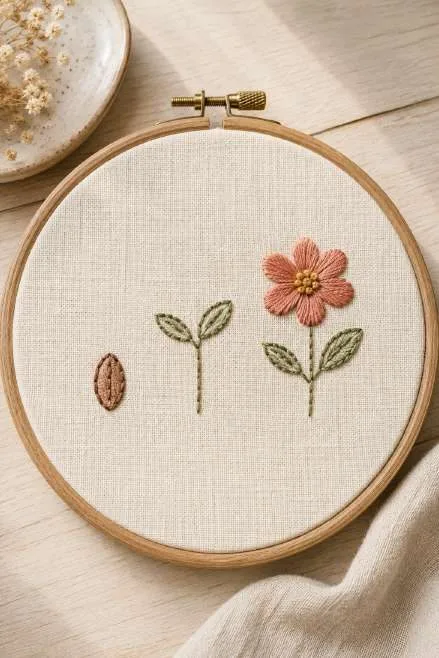
Three tiny motifs — a seed, a sprout, a bloom — make this the gentlest possible first pattern. You’ll practise a stem line and a single lazy-daisy flower before committing to anything bigger. One of the truest easy embroidery patterns for a first-ever hoop.
2. Bee and Sunflower Heart Trail
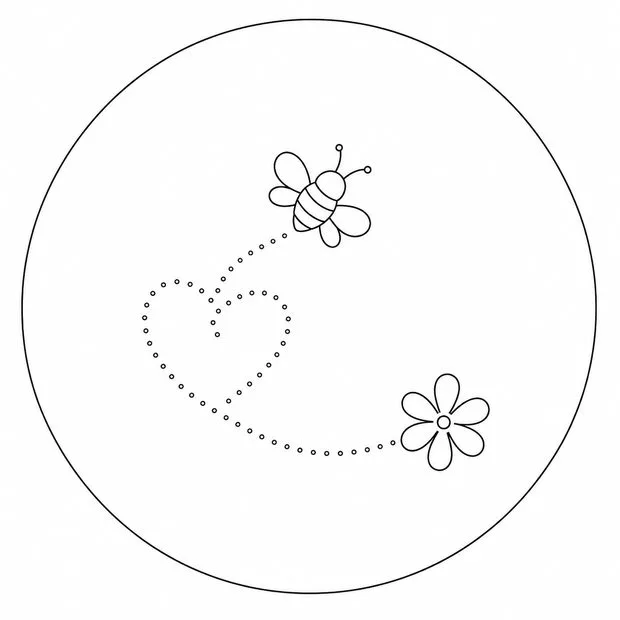
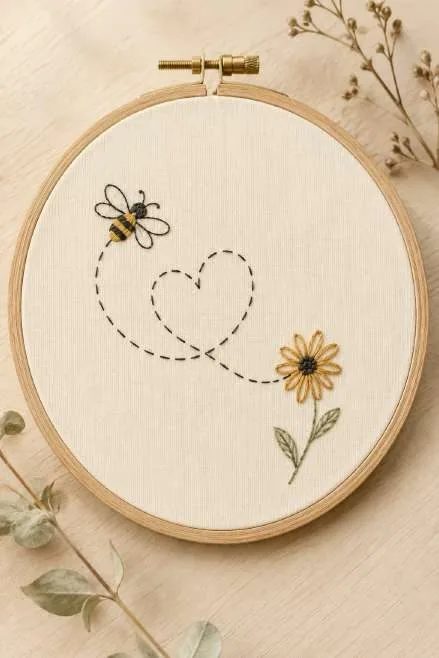
A dotted heart flight-path is pure backstitch (or running-stitch) practice, and the little bee and sunflower give you two quick focal points — a simple embroidery design you can finish in a single evening.
3. Rainbow with Cloud
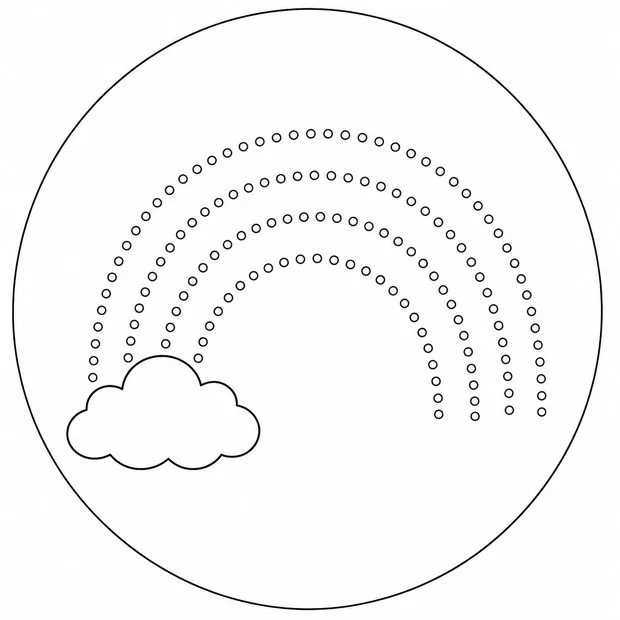
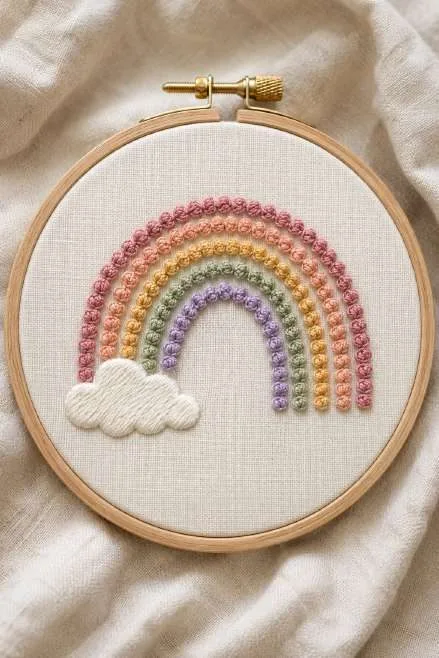
Every arc here is a row of French knots, so this cheerful pattern is really a French-knot workshop in disguise. The cloud is a soft satin-stitch fill — forgiving, colourful, and perfect for a child’s room.
4. Bloom Lettering
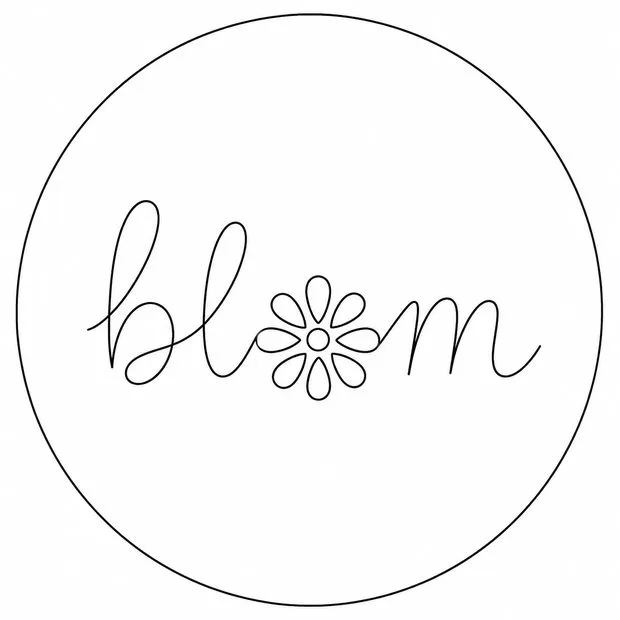
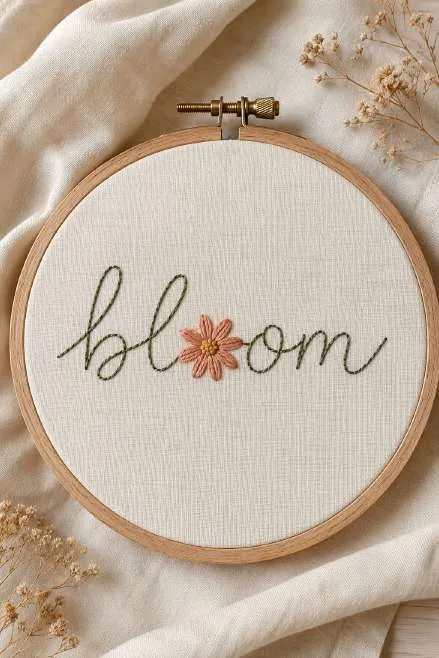
The word ‘bloom’ worked in flowing backstitch, with the ‘o’ replaced by a lazy-daisy flower. Word hoops are some of the most popular beginner embroidery designs because flowing script quietly hides small wobbles.
5. Hand Holding Flower
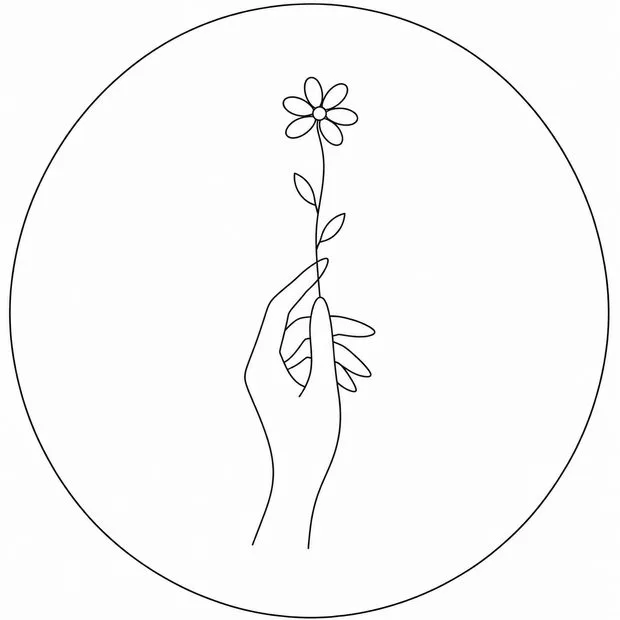
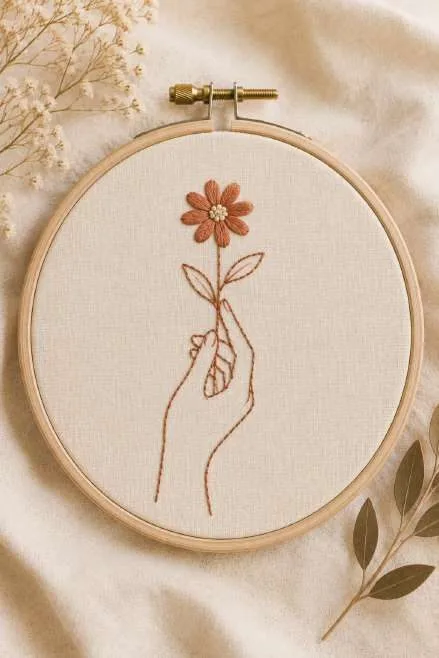
A single continuous-line hand offering a daisy. Minimalist embroidery at its calmest: almost entirely backstitch, finished with one lazy-daisy bloom. Modern, elegant, and beginner-safe.
Celestial & moon embroidery patterns
Moons, stars and suns are the most-saved motifs in modern hand embroidery, and they’re wonderfully beginner-friendly — mostly satin fills and French-knot stars. These celestial embroidery patterns look magical on both pale and dark fabric.
6. Crescent Moon with Flowers
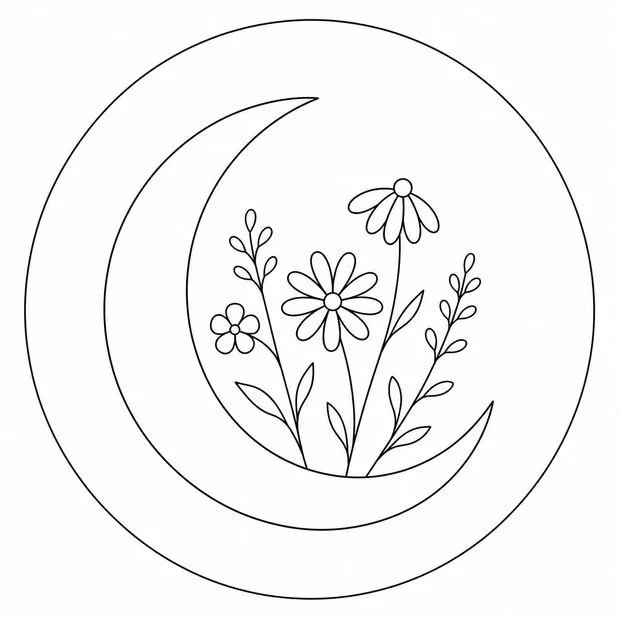
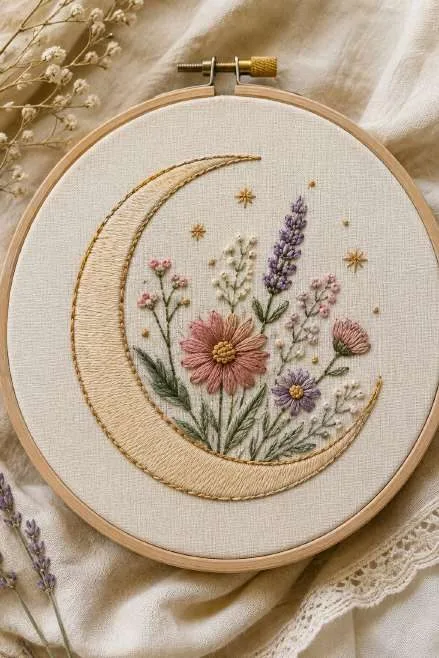
A crescent moon cradling a little wildflower bouquet — the moon a satin-stitch fill, the flowers a mix of lazy-daisy petals and French knots. The most-saved shape in modern celestial embroidery.
7. Triple Moon with Rose
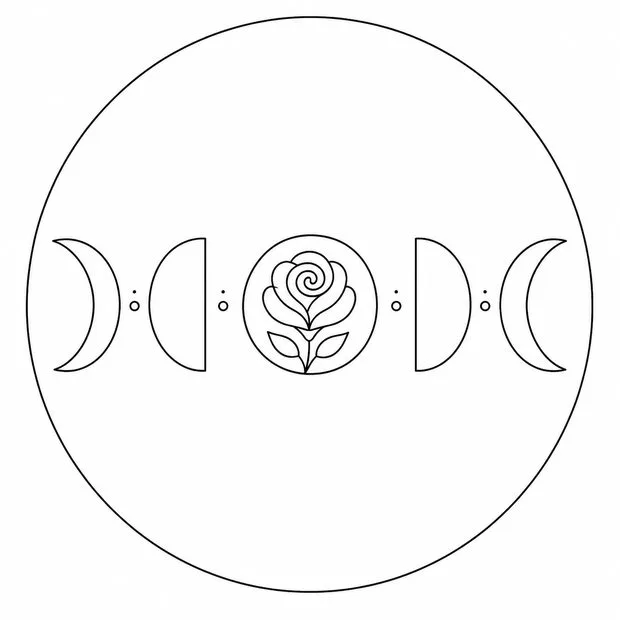
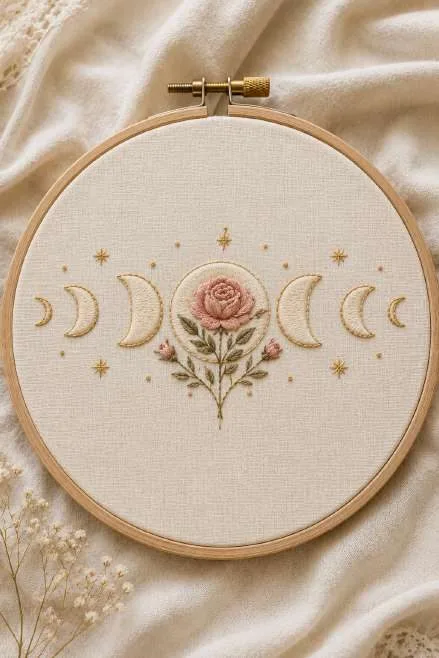
The triple-moon symbol with a spiralled rose at its centre. Backstitch the moons, satin-fill the rose, and you have a striking little moon embroidery pattern that looks far harder than it is.
8. Daisy Constellation
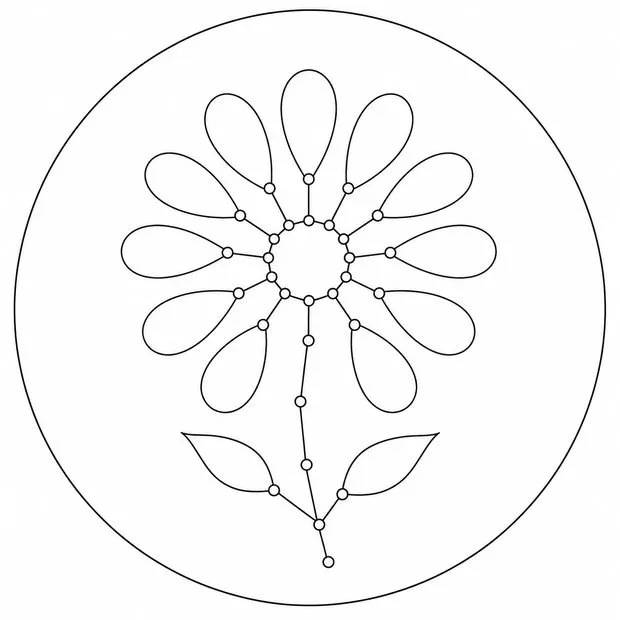
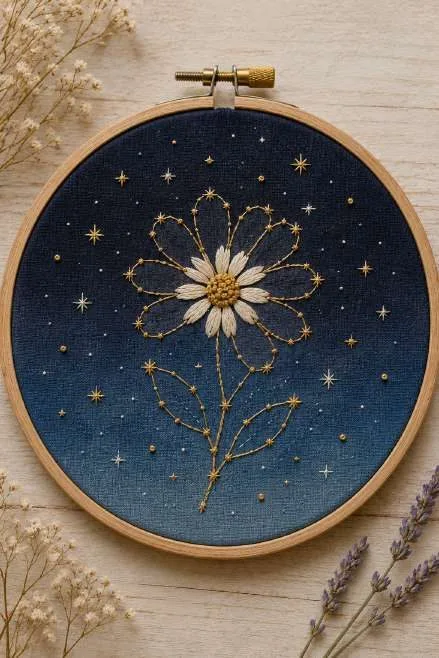
A daisy ‘grown’ from a constellation of French-knot stars joined by fine backstitch lines. Stunning on dark fabric, and a lovely bridge between botanical and celestial embroidery patterns.
9. Hands Reaching for the Moon
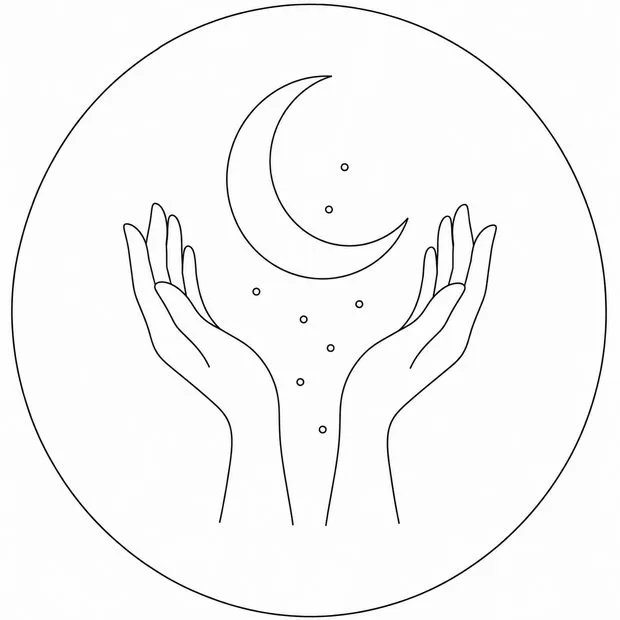
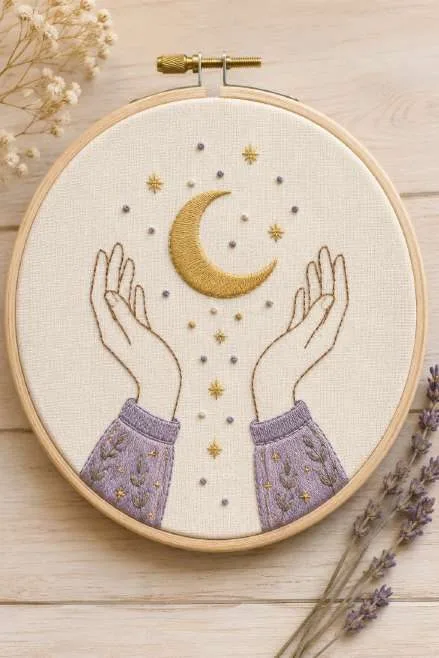
Two cupped hands and a golden crescent surrounded by scattered French-knot stars. Line-art hands plus a satin-stitch moon — quietly dramatic, and gentler to stitch than it looks.
10. Sun Face with Lavender
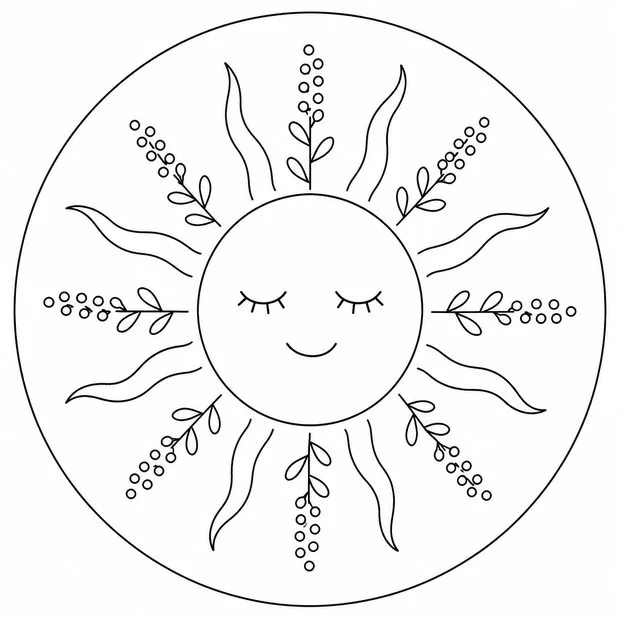
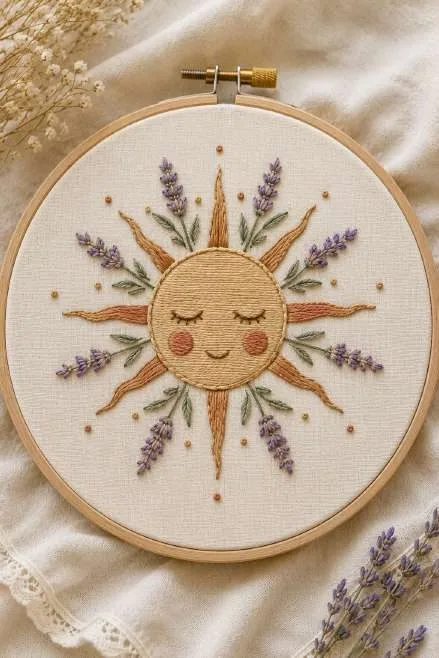
A serene sun face ringed with lavender sprigs. The rays are backstitch; the lavender is rows of tiny French knots — repetitive in the best, most meditative way.
Cute animal embroidery patterns
Animals give beginners a clear focal point and a lot of charm for very little skill. Each of these cute embroidery patterns pairs a simple creature with florals or a cosy scene, so there’s always an easy part and a fun part.
11. Sleeping Fox with Mushrooms
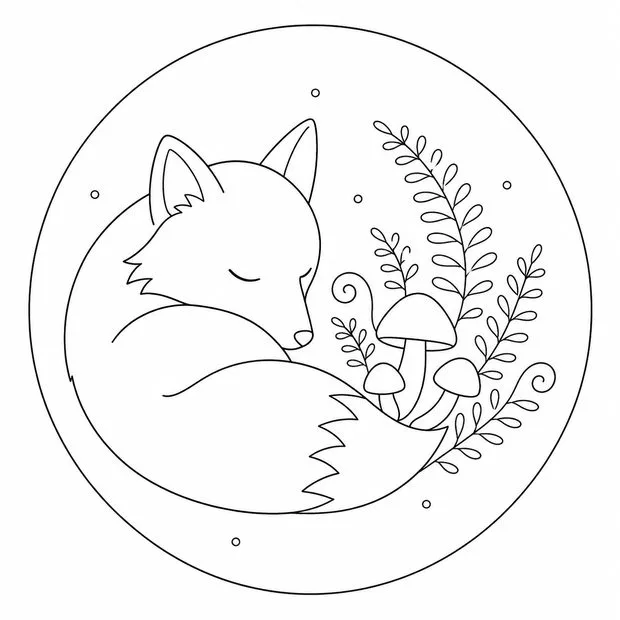
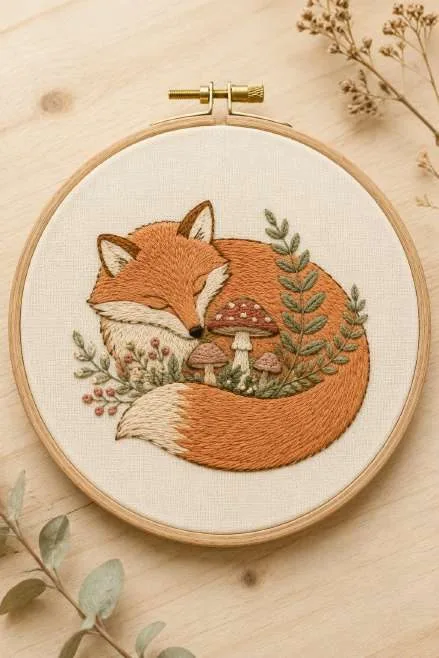
A fox curled around a cluster of mushrooms and ferns. Keep the body as simple long-and-short shading and let the woodland details shine — a favourite cute animal embroidery pattern.
12. Floral Snail
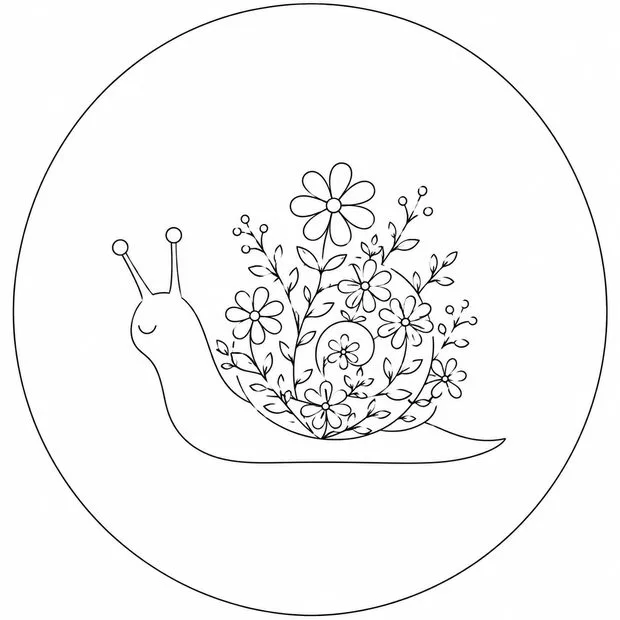
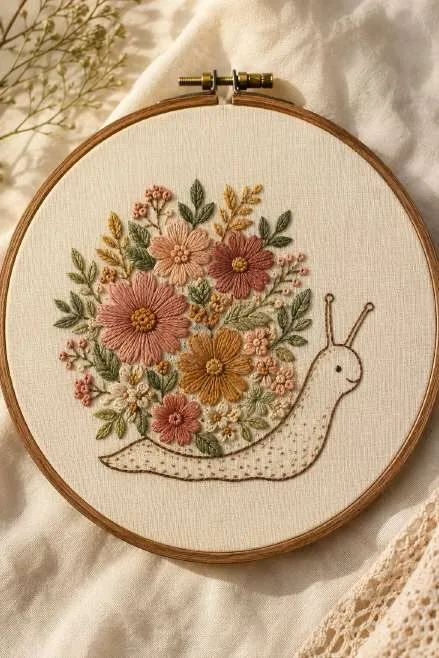
A little snail whose shell is a blooming flower garden. Stitch the snail in backstitch, then fill the shell with as many lazy-daisy and French-knot flowers as you like — endlessly relaxing.
13. Whale with Floral Spout
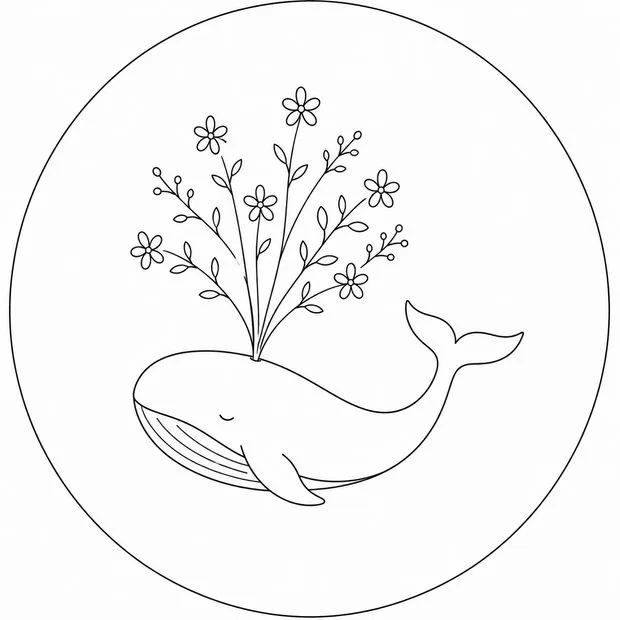
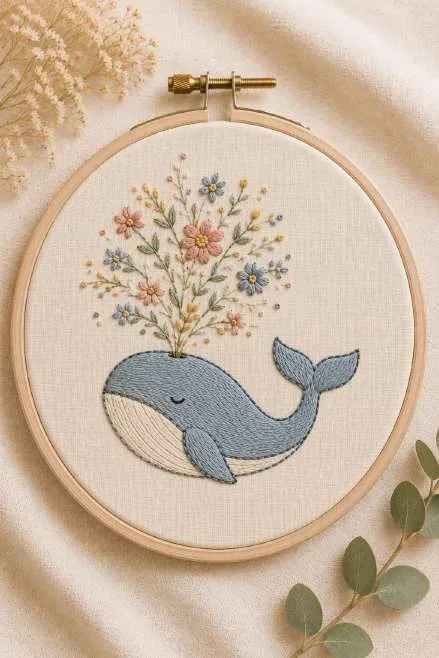
A gentle whale spouting wildflowers instead of water. The whale is a soft satin fill; the ‘spout’ is a free-form flower spray — one of the most charming animal embroidery designs for beginners.
14. Cat Sleeping on Moon
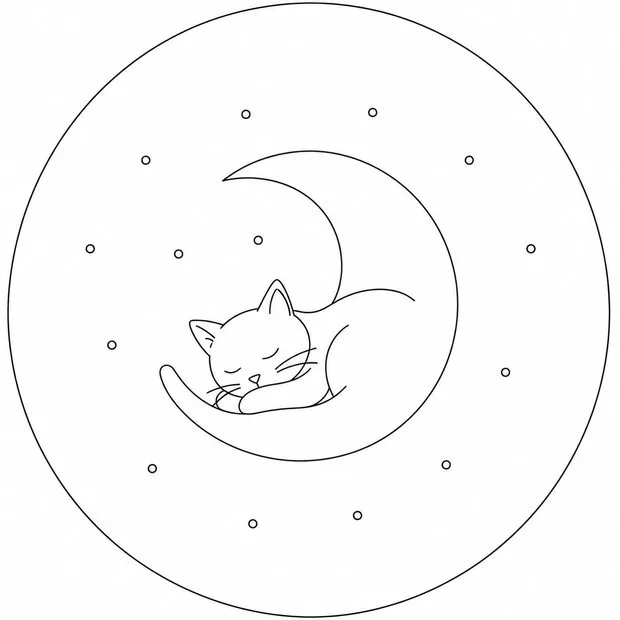
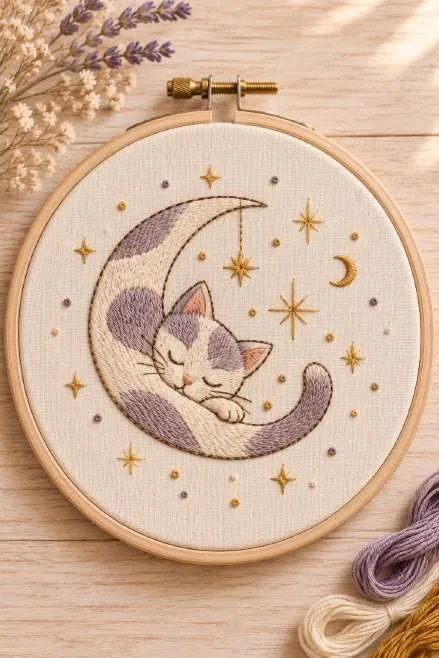
A sleepy cat draped over a crescent moon and dotted with stars. Cosy, celestial and cat-lover catnip — mostly satin stitch and French knots.
15. Sleeping Cat with Books and Plant
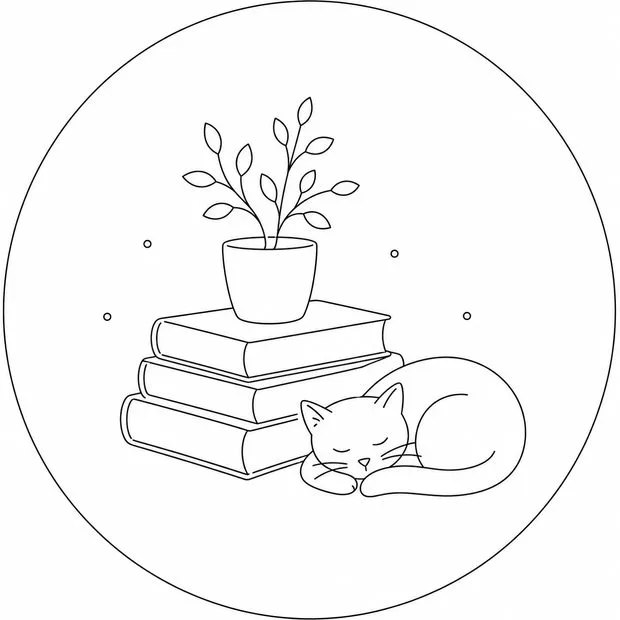
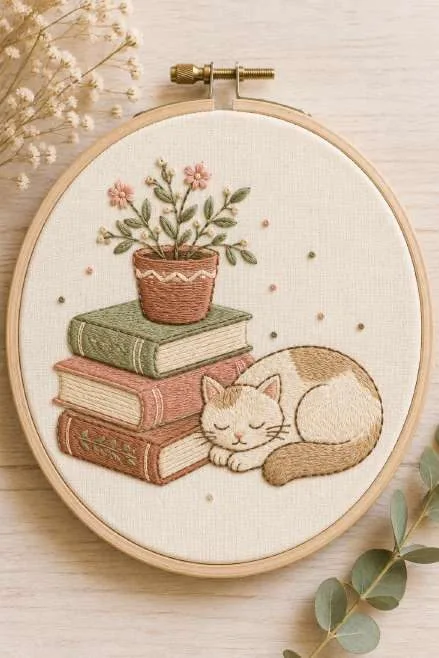
A cat napping beside a stack of books and a potted plant. This little still-life packs a lot of cosy storytelling into one hoop and looks wonderful on a reading-nook wall.
Cozy home & hygge embroidery patterns
Teapots, candles, books and windows — these hygge-inspired hand embroidery designs turn a small hoop into a warm little scene. They make some of the best handmade gifts and kitchen or reading-nook wall art.
16. Book with Flowers
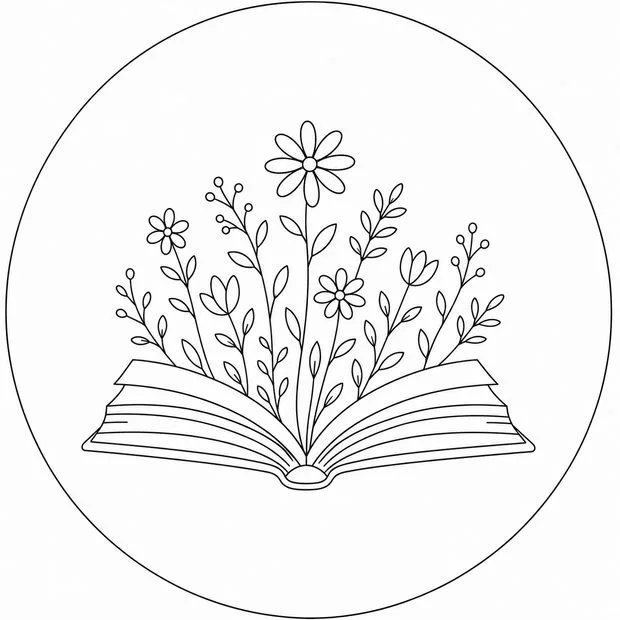
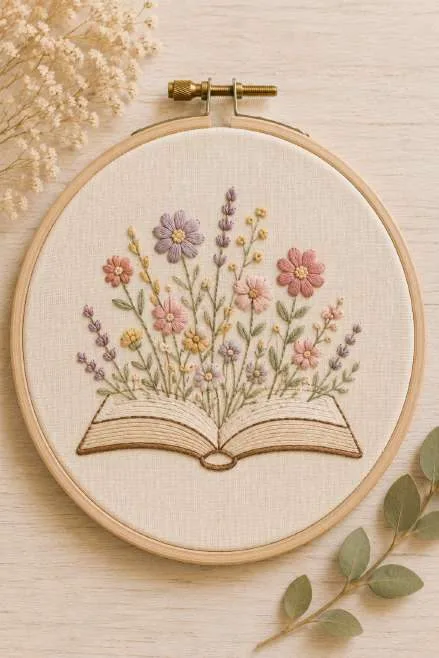
An open book with a garden growing from its pages — a dream motif for readers. Backstitch the book, then let the flowers spill out in lazy-daisy petals and French knots.
17. Teapot Pouring Flowers
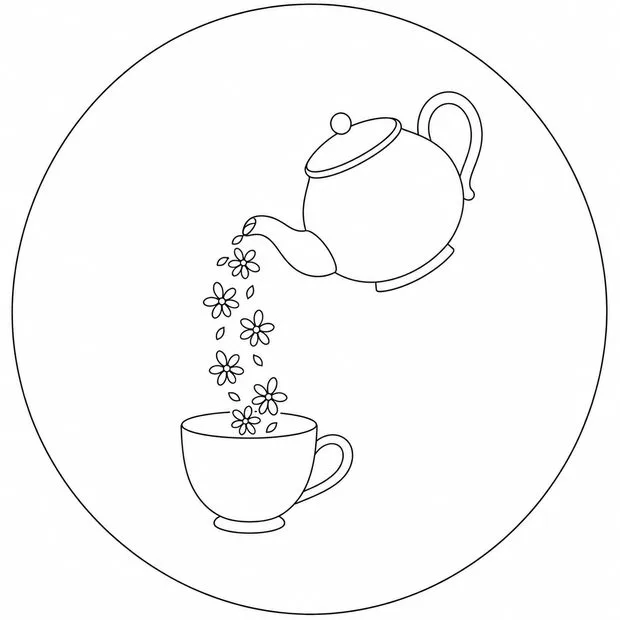
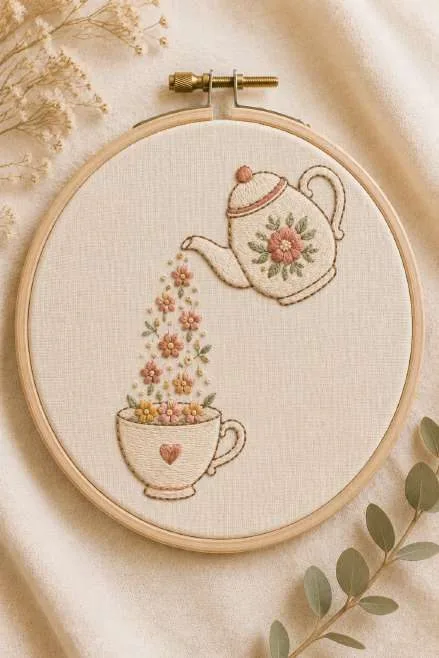
A tilted teapot pouring a stream of tiny flowers into a waiting cup. The pour is a playful cascade of French knots — cottagecore, giftable, and deceptively easy.
18. Candle with Eucalyptus
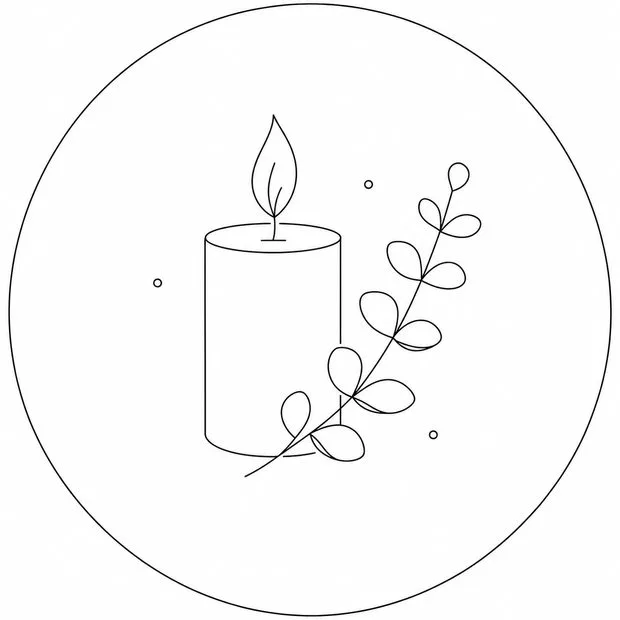
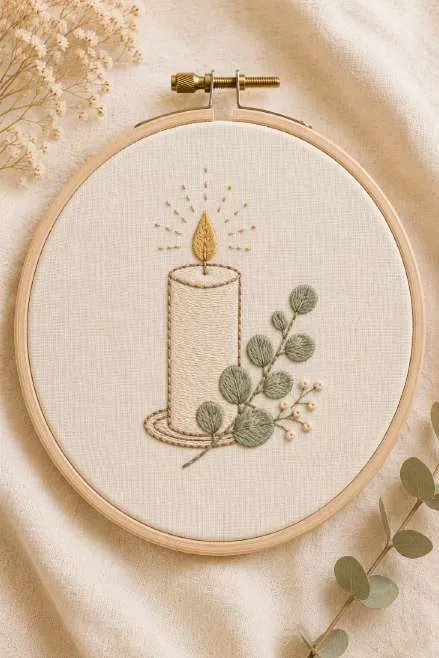
A lit candle with a leaf-shaped flame and a sprig of eucalyptus. Simple shapes and a calming palette make this a quiet hygge piece that comes together fast.
19. Teacup with Heart Steam and Flower
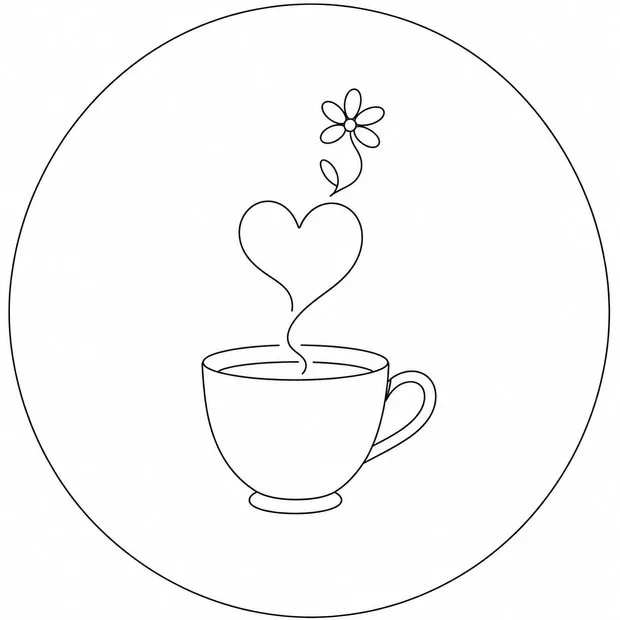
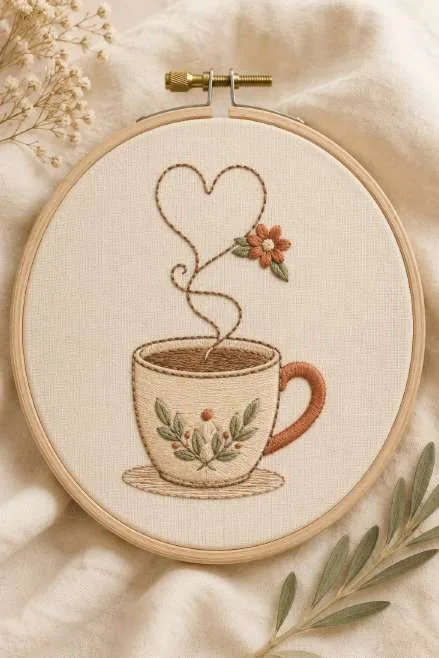
A teacup whose steam curls into a heart topped with a little bloom. Almost entirely backstitch, with one lazy-daisy flower — a lovely small embroidery design for a kitchen wall.
20. Window with Moon and Potted Plant
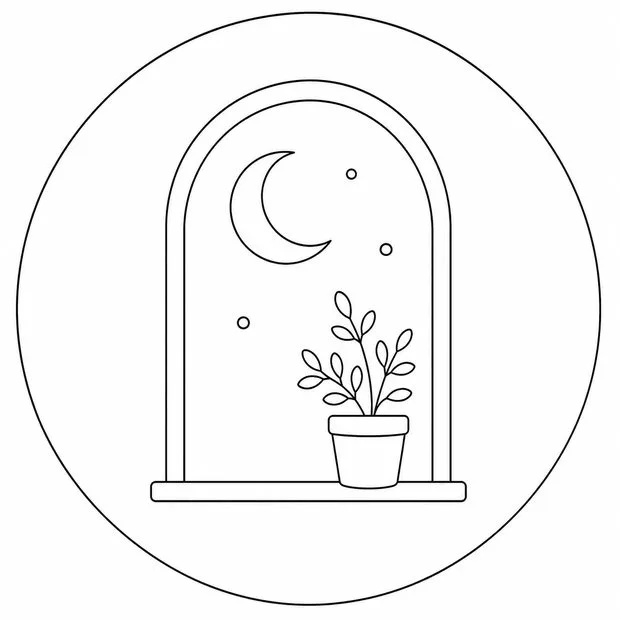
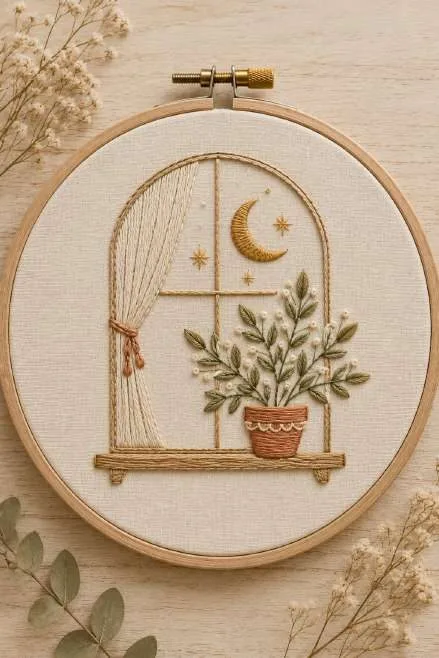
An arched window framing a crescent moon, with a potted plant on the sill. The most ‘scene’-like pattern in the set and a satisfying step up once the basics feel easy.
Elegant line-art & statement patterns (level up)
Ready for something that looks impressive? These modern line-art and statement embroidery patterns are still built from the same four stitches, but the finished hoops feel gallery-worthy — perfect once the basics feel easy.
21. Woman’s Profile with Flower in Hair
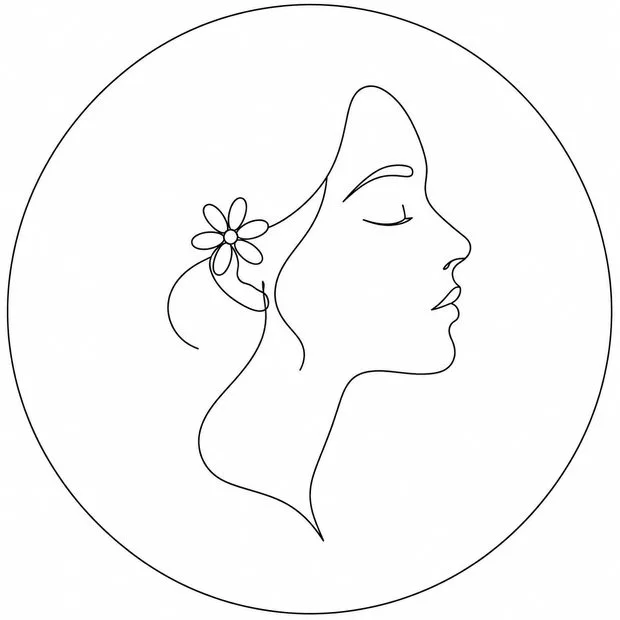
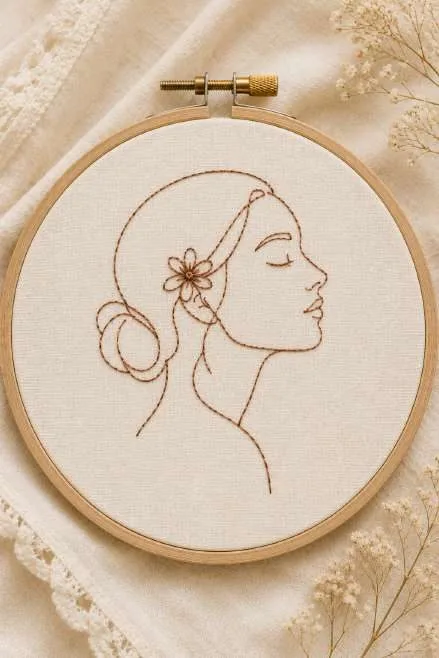
A single-line woman’s profile with one flower tucked behind her ear. Continuous-line embroidery like this is modern, minimalist and surprisingly beginner-safe — it’s nearly all backstitch.
22. Woman’s Profile with Floral Hair
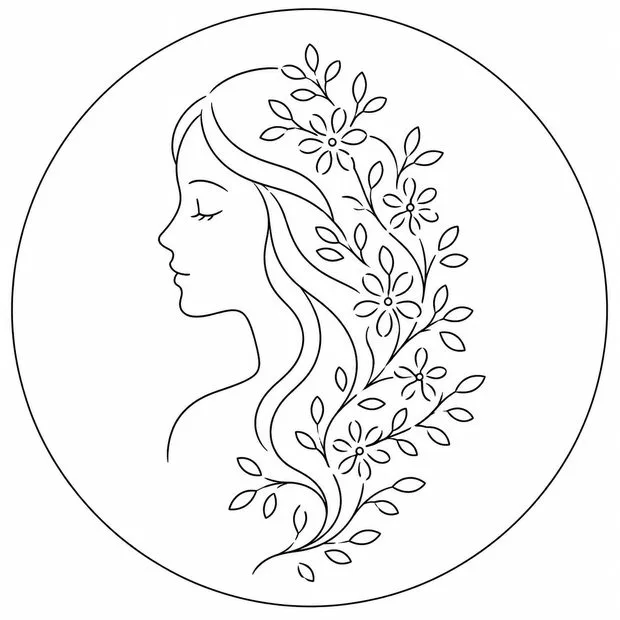
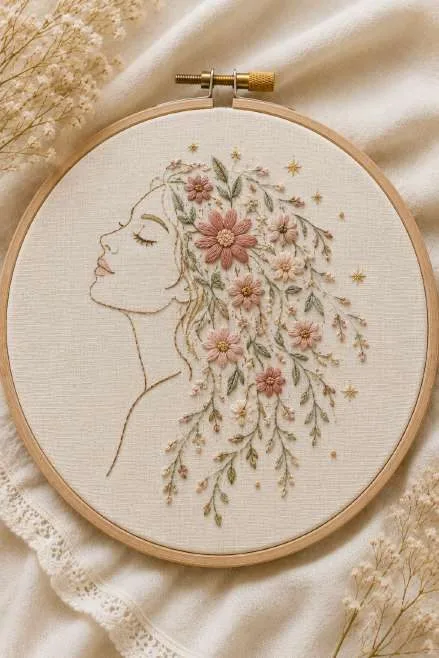
A profile whose flowing hair becomes a cascade of flowers and leaves. A true statement hoop: keep the face as clean line-art, then have fun filling the hair with lazy-daisy blooms.
23. Floral Silhouette Figure
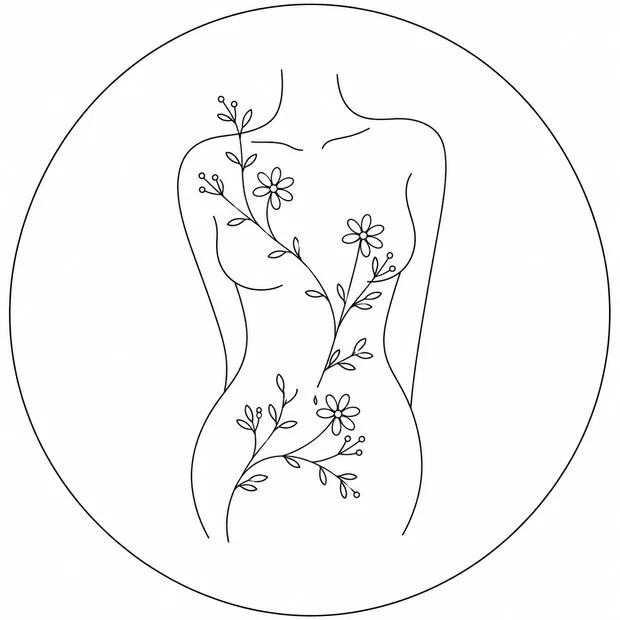
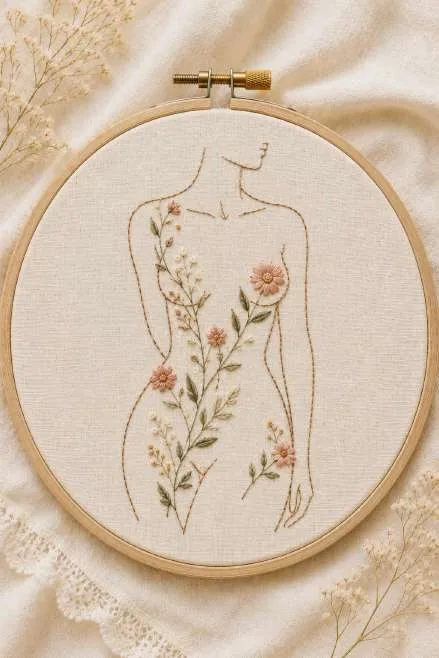
An abstract feminine silhouette with delicate wildflowers trailing across it. Elegant, body-positive line-art that reads as gallery-worthy modern embroidery.
24. Floral Heart Wreath
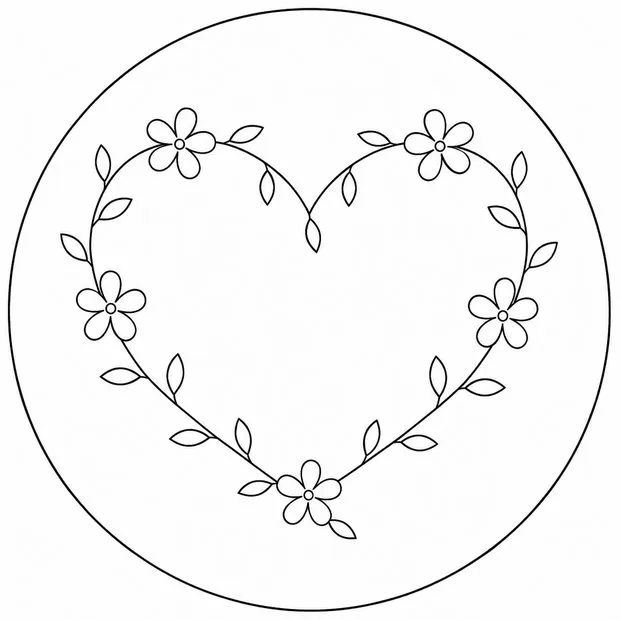
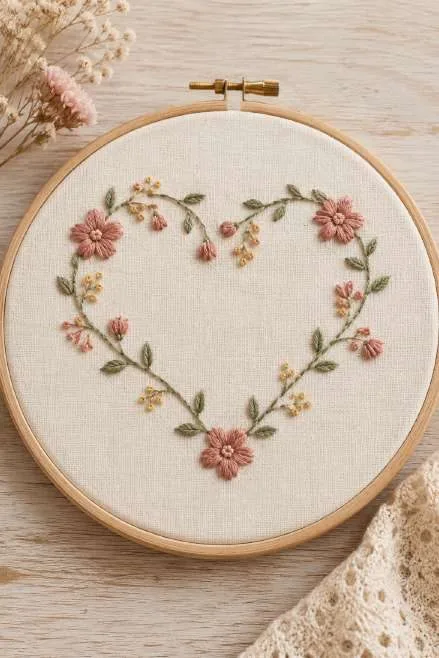
A heart-shaped wreath of little flowers and leaves — the classic romantic hoop. Repeat one small lazy-daisy flower around the heart and you’ll have it memorised by the halfway point.
25. Mountain Sunrise

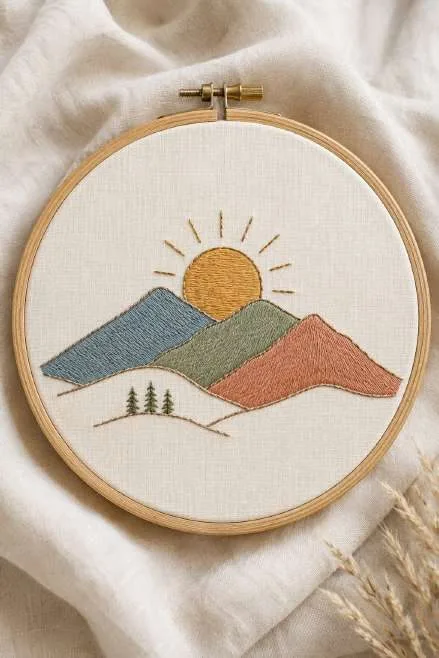
A minimalist mountain range with a sun rising behind it. Clean backstitch lines and three simple colour blocks make this the most graphic, wall-art-ready design in the collection.
How to transfer these embroidery patterns onto fabric
Print the pattern you want from the free pack, then use one of three beginner-friendly transfer methods — no special skill required:
Window or lightbox tracing (free & easiest) — Tape the printed pattern to a sunny window, tape your fabric over it, and trace the lines with a water-soluble pen. Works for almost every design here.
Tracing paper or dressmaker’s carbon — Best for darker fabrics where you can’t see through to a printout. Lay the carbon between pattern and fabric and draw over the lines.
Stick-and-stitch stabiliser — Print the pattern onto printable water-soluble stabiliser, peel, stick it to your fabric, stitch straight through it, then rinse it away. The most accurate method for detailed patterns.
Get the free Beginner Embroidery Starter Pack
Everything you need to stitch this collection is in one free, printable download — no sign-up. The Beginner Embroidery Starter Pack includes all 25 traceable patterns (with the stitch legend baked in), a printable guide to the eight most useful beginner stitches, a materials checklist, and a difficulty guide so you know which design to start with. Print the pattern, trace it, and stitch.
↓ Download the free pattern pack (PDF) ↓
Once your first few hoops are hanging on the wall, embroidery is also one of the easiest crafts to sell — finished hoops, patterns and small gifts all do well online. If that tempts you, see our guide to crafts to make and sell.
Beginner tips that make a real difference
- Split your floss. Use two or three strands, not all six, for finer, cleaner lines.
- Keep the fabric drum-tight in the hoop — loose fabric is the number-one cause of messy stitches.
- Always stitch the outlines (backstitch) first, then go back and fill.
- Don’t carry dark thread across the back of pale fabric; it shows through. Finish and restart instead.
- Tidy the back so the hoop can hang as-is — no framing needed.
More than anything, treat it as slow, screen-free time for yourself. Embroidery pairs beautifully with other calm, creative projects — a vision board session or a cosy list of autumn activities — and it’s the perfect thing to pick up on a quiet evening in.
Frequently asked questions
What is the easiest thing to embroider for beginners?
A single small motif — a flower, a word like “bloom”, or a simple animal. Start with a design that’s mostly backstitch outlines and one or two fills, like the Flower Growth Stages or Bee and Sunflower patterns above.
What are the four basic embroidery stitches?
Backstitch (outlines), satin stitch (filling shapes), the French knot (dots and texture), and the lazy-daisy or detached chain (instant petals and leaves). Every pattern in this collection is built from just these four.
How do you transfer an embroidery pattern onto fabric?
Print the pattern, then trace it. The easiest way is to tape the printout and your fabric to a sunny window and trace the lines with a water-soluble pen. For dark fabric, use dressmaker’s carbon or printable stick-and-stitch stabiliser.
What fabric is best for beginner embroidery?
A plain, tightly woven cotton or linen in a light colour. It holds stitches neatly, is easy to trace onto, and doesn’t pucker. Avoid stretchy or very loose-weave fabric while you’re learning.
How long does a beginner embroidery pattern take?
A simple design takes an evening — roughly one to three hours. More detailed pieces like the Floral Snail or a woman’s-profile hoop can take a few relaxed sittings. There’s no rush; that’s the appeal.
Do I need a kit, or can I start with just a pattern?
You can start with just a pattern and a few basic supplies. A kit simply gathers the hoop, fabric, floss and needle in one box — convenient, but not required. The patterns here are free either way.
Are these embroidery patterns free to print?
Yes. All 25 traceable patterns are in the free Beginner Embroidery Starter Pack, along with a stitch guide, materials checklist and difficulty guide. Download, print and stitch — no sign-up.